Abraham Lincoln and Frederick Douglass are two of the most iconic figures in American history, known for their tireless efforts to end slavery and promote equality. While they came from different backgrounds and had distinct personalities, they shared a common goal of creating a more just and equitable society. Lincoln, the 16th President of the United States, is renowned for his Emancipation Proclamation, which declared freedom for all slaves in the Confederate states. Douglass, on the other hand, was a former slave who became a prominent abolitionist, orator, and writer, using his powerful voice to expose the atrocities of slavery and advocate for the rights of African Americans.
Despite their differences, Lincoln and Douglass had a deep respect for each other, and their lives intersected in significant ways. Both men were passionate about education and believed in the importance of self-improvement. They also shared a commitment to the principles of liberty and equality, which guided their actions and decisions throughout their lives. By comparing and contrasting their lives, ideologies, and contributions, we can gain a deeper understanding of the complex historical context in which they lived and the lasting impact they had on American society.
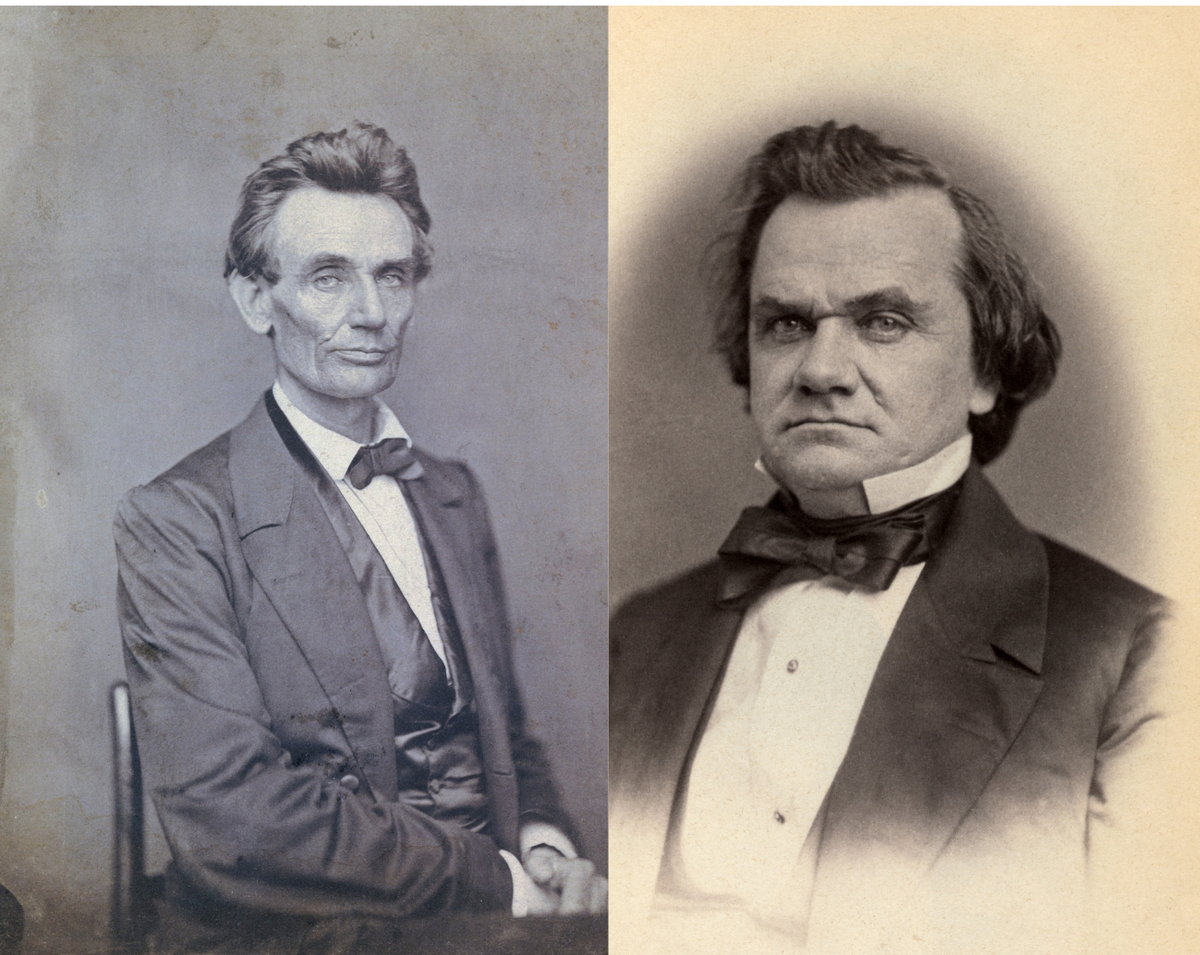
The Lincoln Douglas Debates 4th Debate Teaching American History
Early Life and Influences
The early lives of Lincoln and Douglass were marked by significant challenges and hardships. Lincoln was born in a log cabin in Kentucky and had very little formal education, while Douglass was born into slavery in Maryland and had to teach himself to read and write in secret. Despite these obstacles, both men developed a love of learning and a strong work ethic, which served them well in their future endeavors. By examining their early lives and influences, we can see how their experiences shaped their worldviews and motivated them to become powerful advocates for social justice.
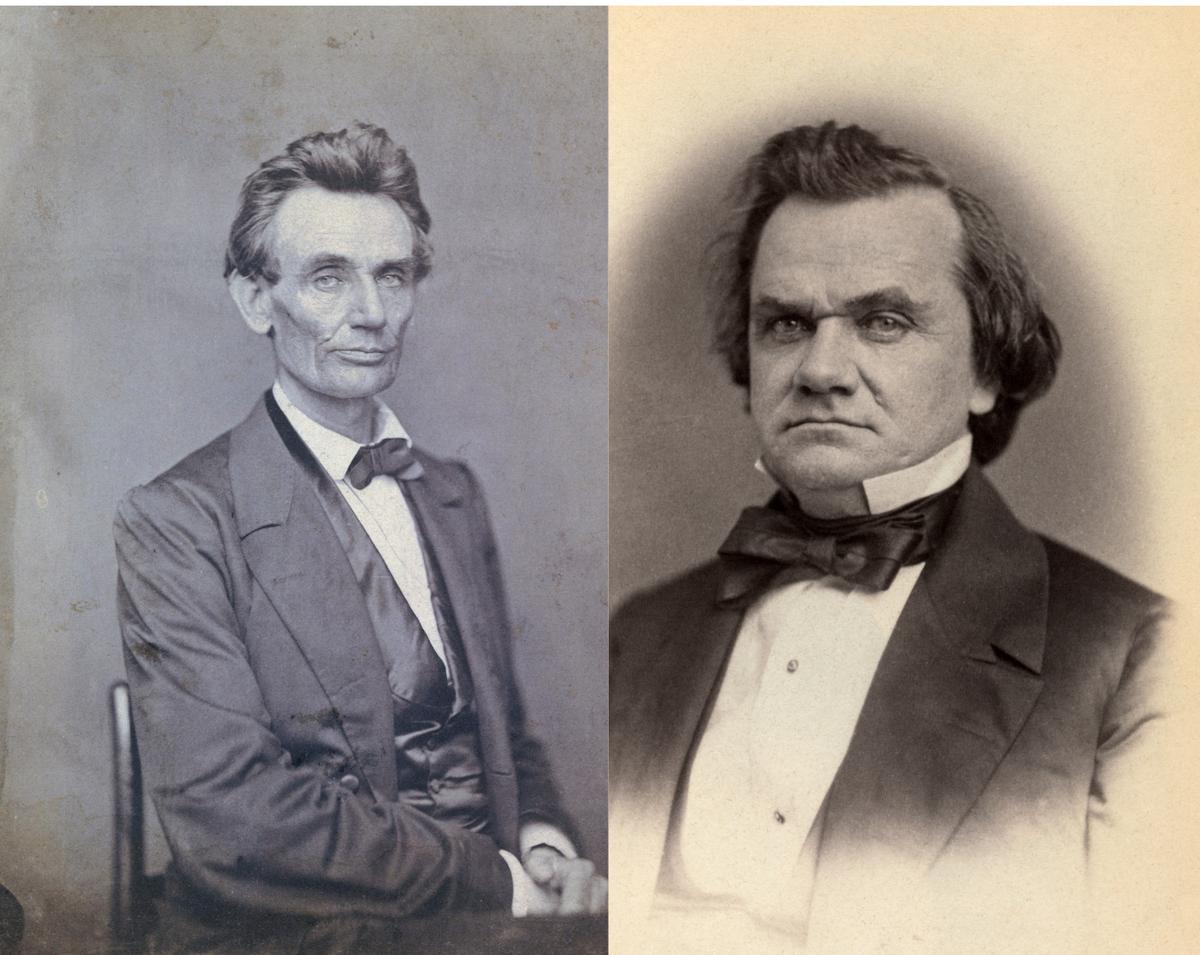
The Lincoln Douglas Debates 4th Debate Teaching American History
Abolitionist Views and Contributions
Lincoln and Douglass were both passionate abolitionists, but they had different approaches and strategies for achieving their goals. Lincoln’s Emancipation Proclamation was a significant step towards ending slavery, but it was limited in its scope and did not apply to border states or areas under Union control. Douglass, on the other hand, was a radical abolitionist who believed in the immediate and complete emancipation of all slaves. He was also a strong advocate for women’s rights and equality, and his writings and speeches continue to inspire social justice movements today.
Leadership and Legacy
As leaders, Lincoln and Douglass left an indelible mark on American history. Lincoln’s leadership during the Civil War and his commitment to preserving the Union have made him one of the most revered presidents in American history. Douglass, meanwhile, continued to fight for equality and justice throughout his life, becoming a prominent figure in the women’s suffrage movement and a vocal critic of racism and discrimination. By comparing and contrasting their leadership styles and legacies, we can gain a deeper understanding of the complexities of American history and the ongoing struggle for social justice and equality.
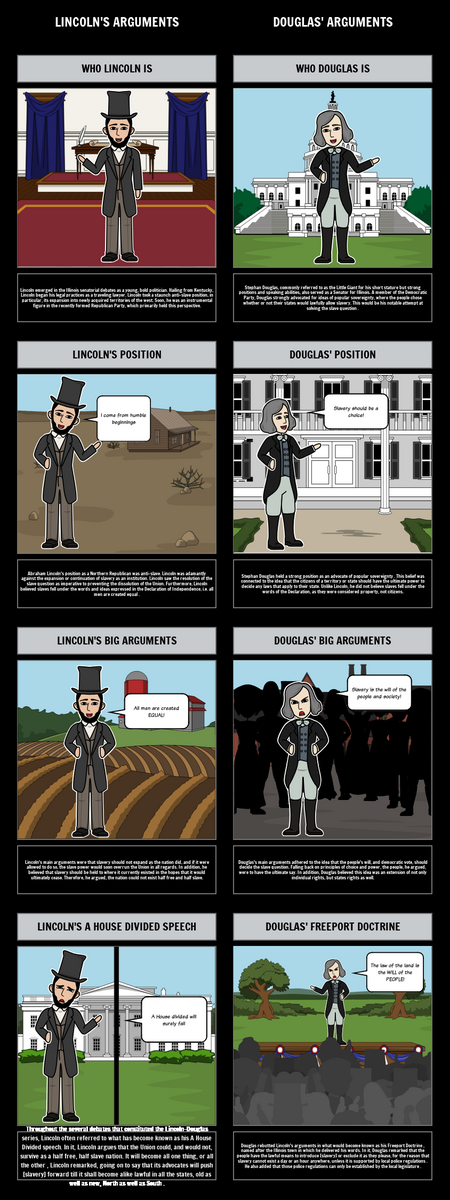
Lincoln Douglas Debates Storyboard That Lesson Plans
The compare and contrast chart printable is a valuable resource for anyone interested in learning more about Lincoln and Douglass. By examining their lives, ideologies, and contributions side by side, we can see how these two remarkable individuals helped shape American history and continue to inspire social justice movements today. Whether you are a history enthusiast, an educator, or simply someone who is passionate about creating a more just and equitable society, this chart is an essential tool for exploring the complex and fascinating lives of Abraham Lincoln and Frederick Douglass.
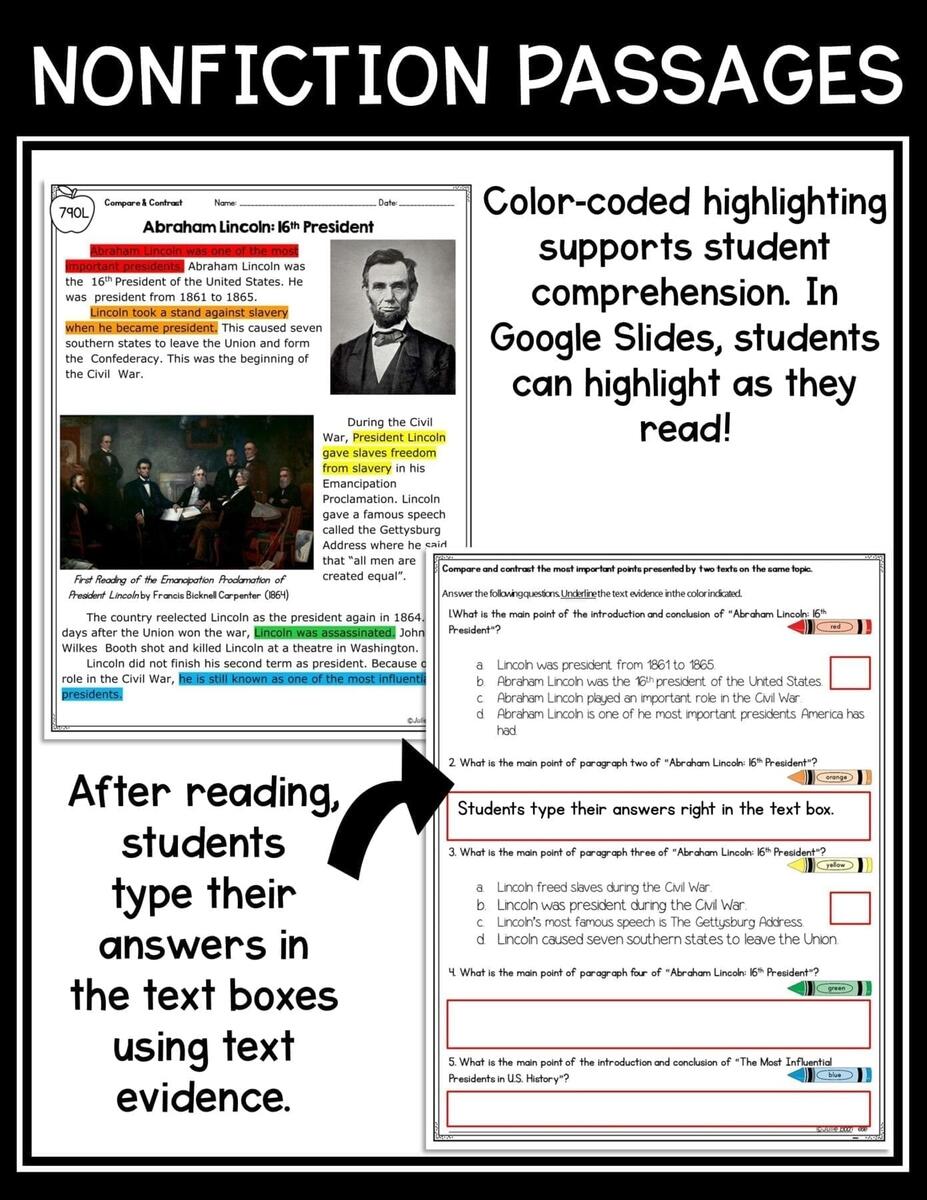
Compare Contrast 2nd 3rd Grade MagiCore
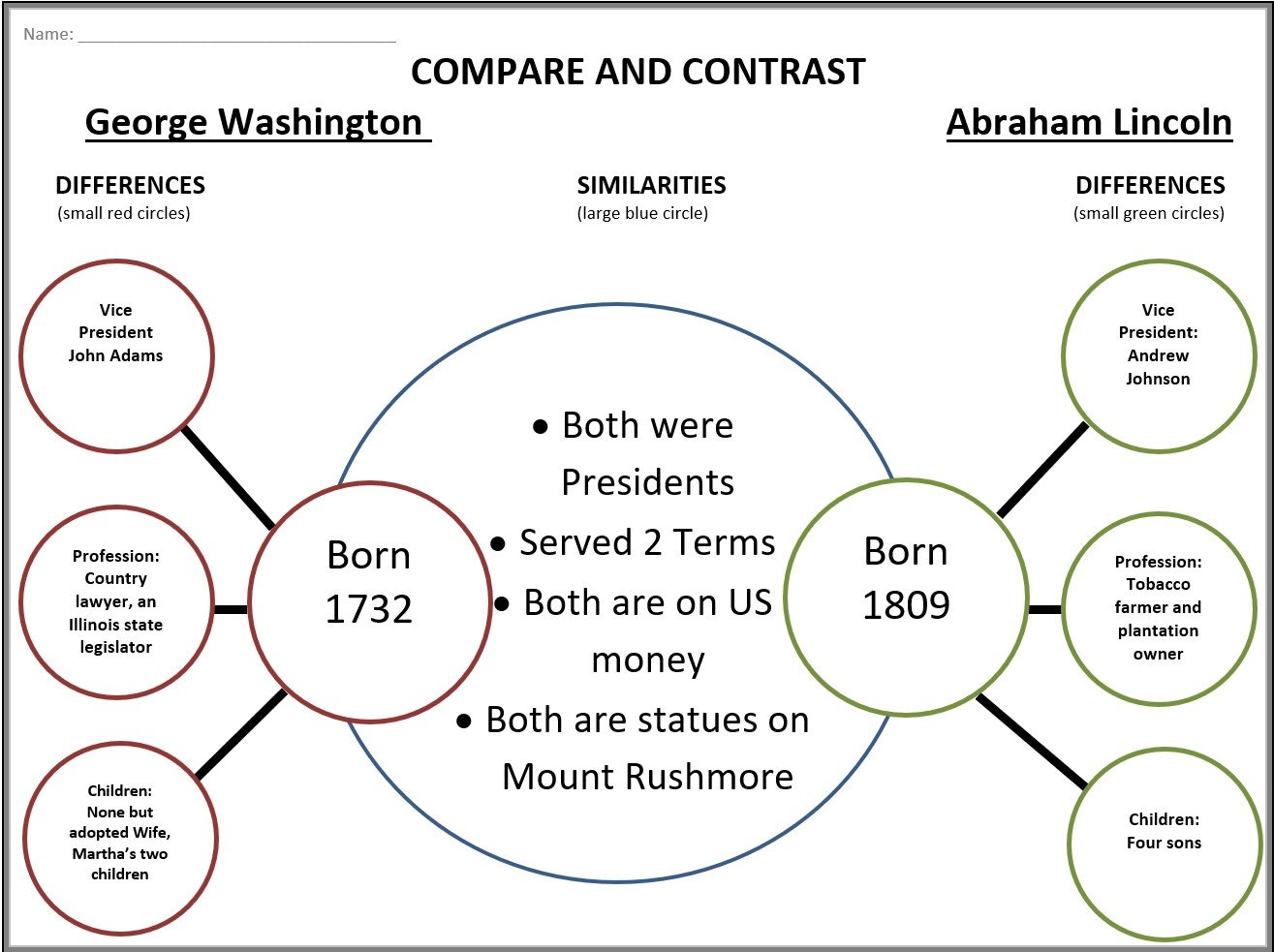
Compare And Contrast Graphic Organizer Etsy