Preschool-age children are constantly learning and navigating their emotions, and it can be overwhelming for both them and their parents. One effective tool to help them understand and manage their feelings is a printable feelings chart. This simple yet powerful resource can be a game-changer in teaching children to recognize, express, and regulate their emotions in a healthy way.
By using a feelings chart, preschoolers can begin to develop essential social-emotional skills, such as self-awareness, self-regulation, and communication. These skills are crucial for building strong relationships, achieving academic success, and maintaining good mental health throughout their lives. With the right guidance and support, children can learn to identify and express their emotions in a way that is both authentic and respectful.
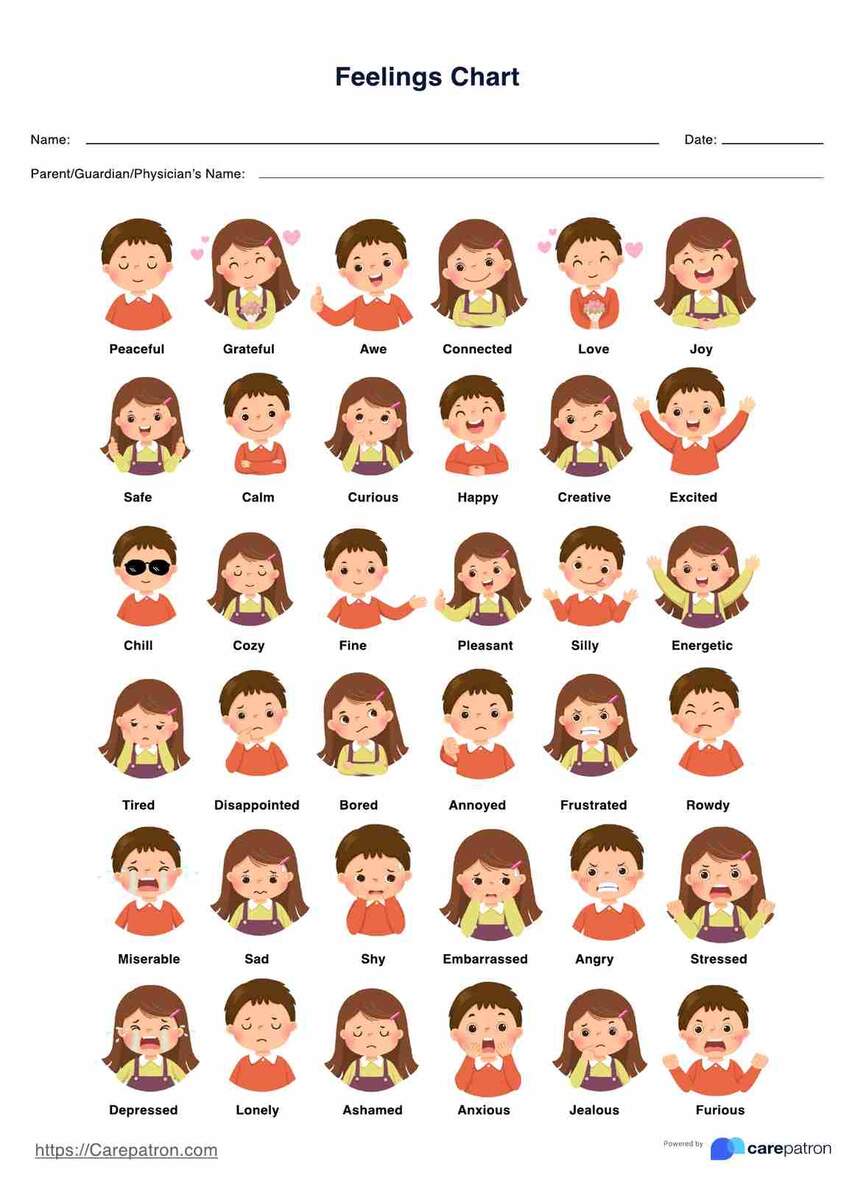
Feelings Chart For Kids
What is a Feelings Chart and How Does it Work?
A feelings chart is a visual tool that helps children identify and express their emotions. It typically consists of a series of images or words that represent different feelings, such as happy, sad, angry, or scared. By pointing to or naming the corresponding emotion, children can communicate how they are feeling and begin to develop a vocabulary for their emotions. This can be especially helpful for preschoolers who may struggle to put their feelings into words.
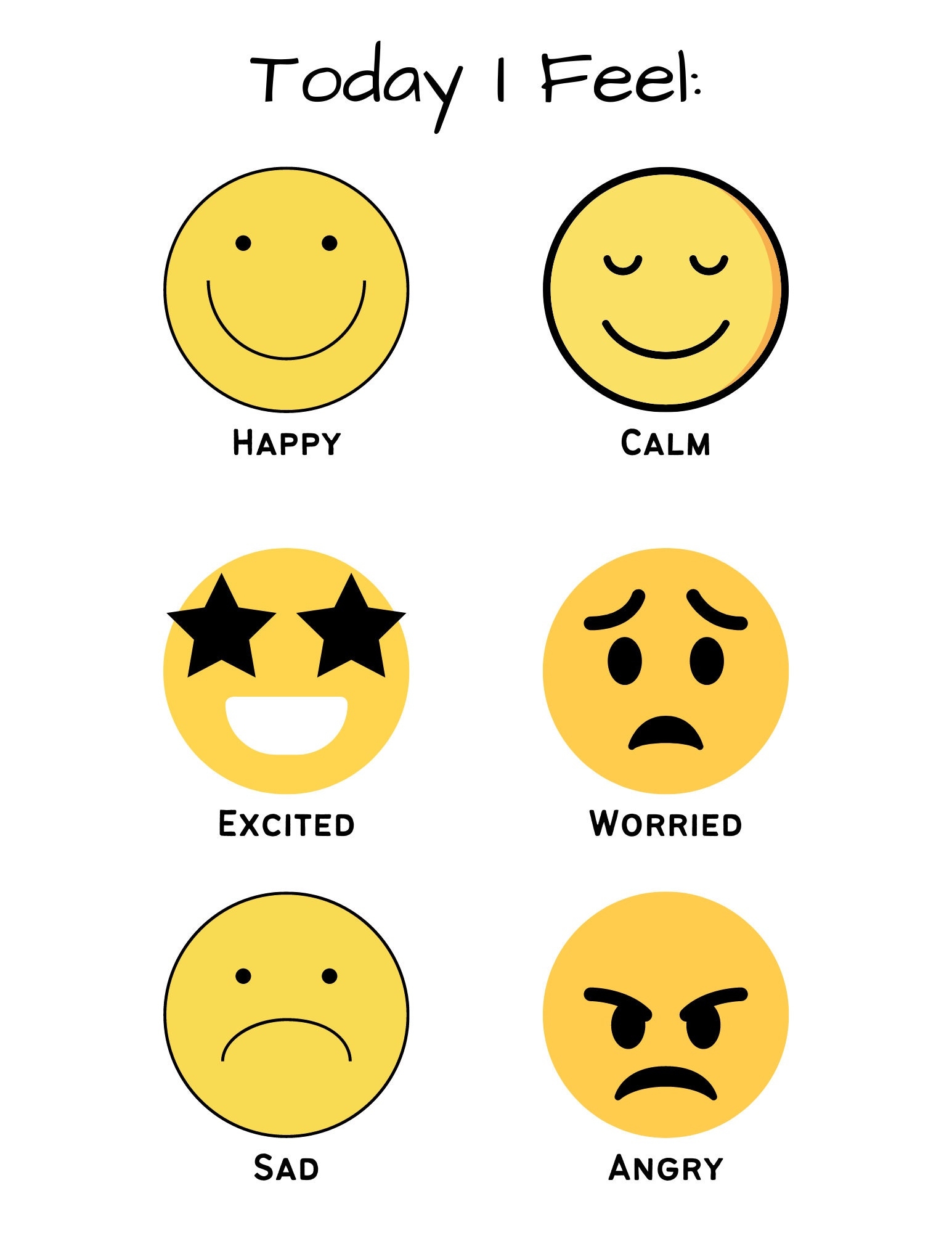
Emotions Chart Feelings Chart Toddlers Preschoolers Feeling Chart Today I Feel Montessori Preschool Printable Instant Download Etsy
Benefits of Using a Printable Feelings Chart for Preschoolers
The benefits of using a printable feelings chart for preschoolers are numerous. For one, it provides a healthy outlet for children to express their emotions, reducing the likelihood of tantrums and meltdowns. It also helps children develop empathy and understanding for others, as they learn to recognize and respect different emotions. Additionally, a feelings chart can be a valuable tool for parents and educators, providing insight into a child’s emotional state and helping to inform strategies for support and guidance.
Tips for Creating an Effective Feelings Chart for Your Child
When creating an effective feelings chart for your child, there are several tips to keep in mind. First, make sure the chart is visually appealing and easy to understand, with clear images or words that represent different emotions. You may also want to consider including a range of emotions, from basic feelings like happy and sad to more complex emotions like frustrated or excited. Finally, be sure to involve your child in the process of creating the chart, allowing them to help select the emotions and images that resonate with them.
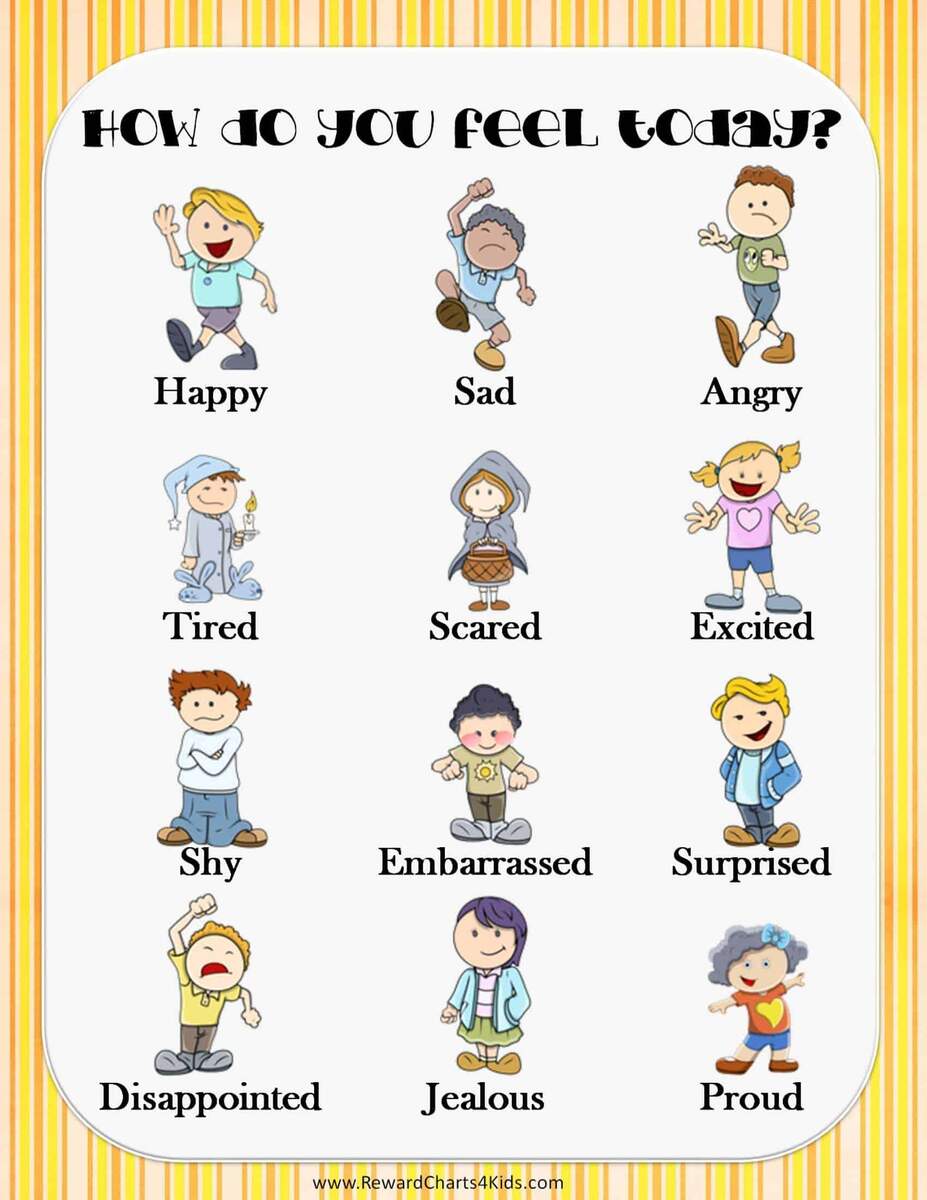
FREE Feeling Chart For Kindergarteners With Photos
By following these tips and using a printable feelings chart, you can help your preschooler develop the social-emotional skills they need to thrive. Remember to be patient, consistent, and supportive throughout the process, and don’t hesitate to seek additional resources or guidance if you need it. With time and practice, your child will become more confident and skilled in recognizing and managing their emotions, setting them up for a lifetime of emotional intelligence and well-being.
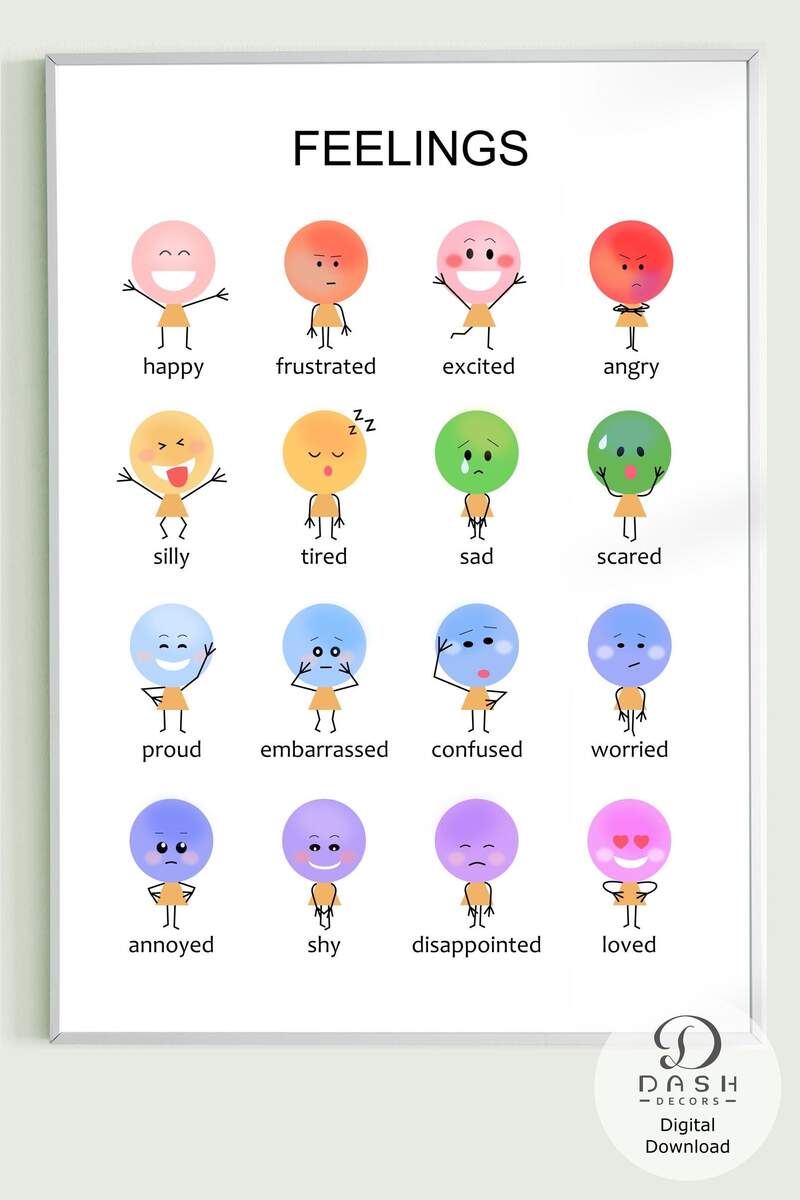
Printable Emotion Chart Poster For Kid And Montessori Preschool Feelings Art Chart Rainbow Emotion Designs Feelings Chart Kid Printable Etsy
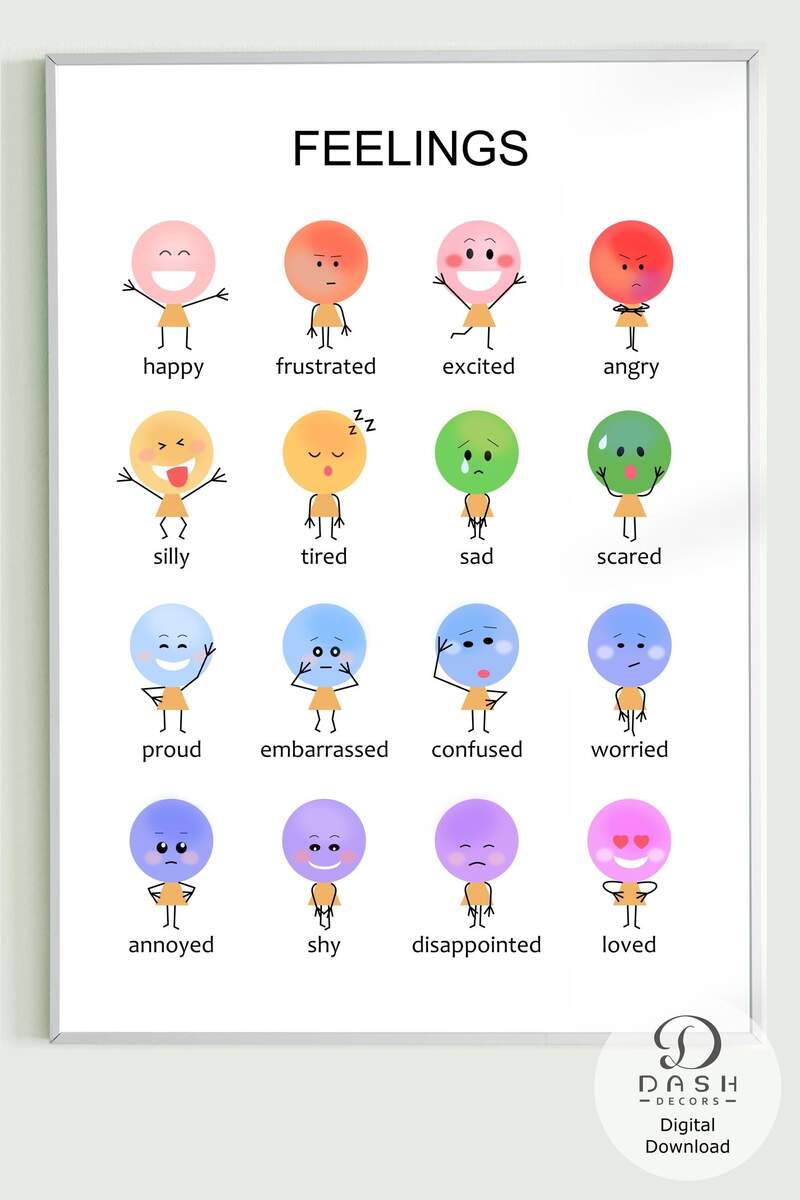
Printable Emotion Chart Poster For Kid And Montessori Preschool Feelings Art Chart Rainbow Emotion Designs Feelings Chart Kid Printable Etsy