Bloom’s Taxonomy is a widely used framework in education that helps teachers and students understand the different levels of learning. It was developed by Benjamin Bloom and his colleagues in the 1950s and has since become a cornerstone of educational theory. The taxonomy categorizes learning objectives into six levels, ranging from basic recall to complex evaluation. By using Bloom’s Taxonomy, educators can create more effective lesson plans and assessments that cater to different learning styles and abilities.
The importance of Bloom’s Taxonomy cannot be overstated. It provides a shared language and framework for educators to discuss and plan learning objectives. By using the taxonomy, teachers can ensure that their students are not just memorizing facts, but also developing critical thinking, problem-solving, and analytical skills. Moreover, Bloom’s Taxonomy helps educators to differentiate instruction and assessment, making it more inclusive and effective for diverse learners.
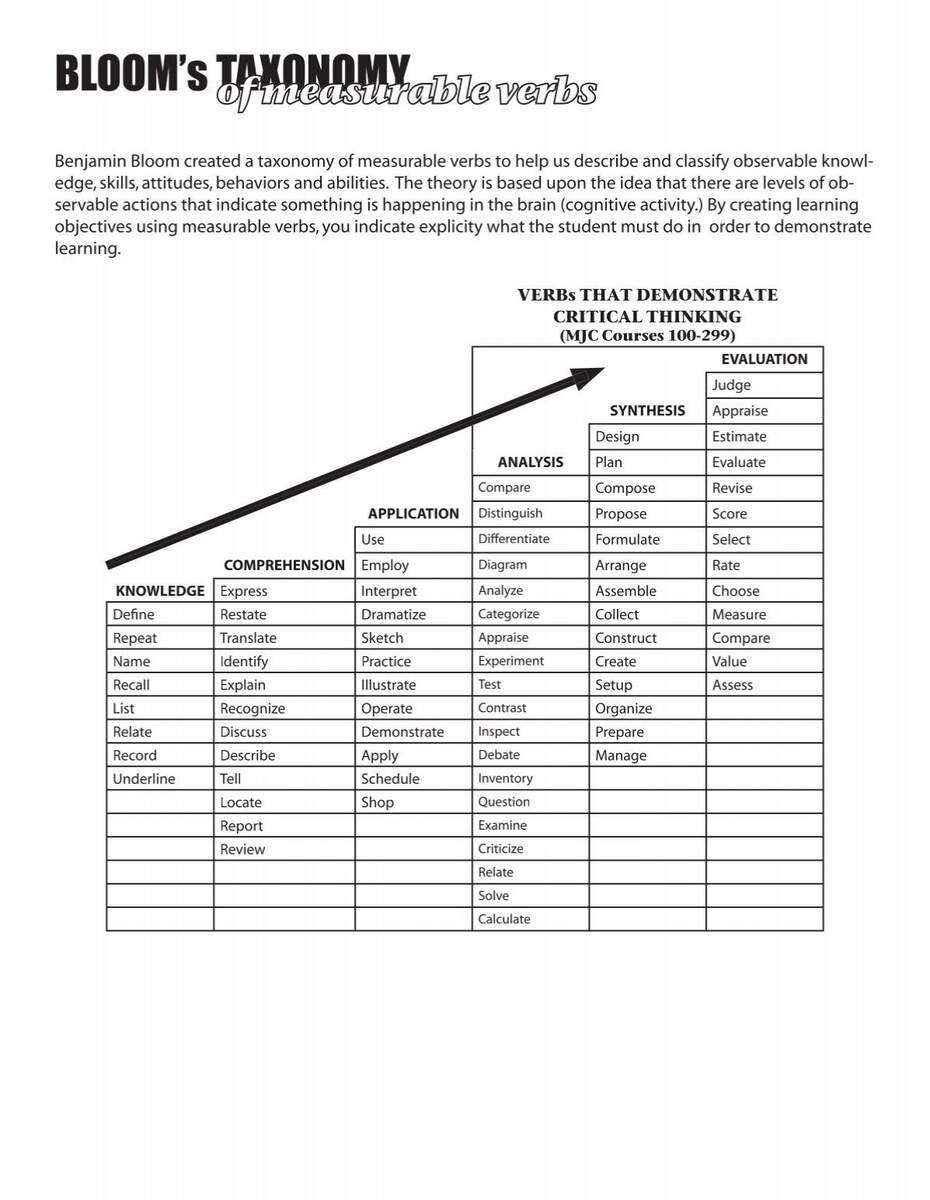
BLOOM S TAXONOMY Of Measurable Verbs
Understanding Bloom’s Taxonomy
At its core, Bloom’s Taxonomy is a hierarchical framework that categorizes learning objectives into six levels: remembering, understanding, applying, analyzing, evaluating, and creating. Each level builds upon the previous one, with higher levels requiring more complex and nuanced thinking. By understanding the different levels of Bloom’s Taxonomy, educators can create more targeted and effective lesson plans that cater to the needs of their students. This, in turn, can lead to improved student outcomes and a more engaging learning experience.
BLOOM S TAXONOMY Of Measurable Verbs
Benefits of Using a Bloom’s Taxonomy Chart
Using a Bloom’s Taxonomy chart can have numerous benefits for educators and students alike. For one, it provides a clear and concise way to communicate learning objectives and expectations. By referencing the chart, teachers can ensure that their lesson plans and assessments are aligned with the desired learning outcomes. Additionally, the chart can help students to better understand what is expected of them and to develop a growth mindset. By recognizing the different levels of learning, students can take ownership of their learning and strive to reach higher levels of understanding and achievement.
How to Use a Bloom’s Taxonomy Chart Printable
A Bloom’s Taxonomy chart printable can be a valuable tool for educators who want to incorporate the framework into their teaching practices. The chart provides a visual representation of the different levels of learning, making it easier to reference and apply in the classroom. By printing out the chart, teachers can display it in their classrooms or use it as a handout for students. This can help to create a shared understanding of the learning objectives and expectations, and can facilitate more effective teaching and learning.
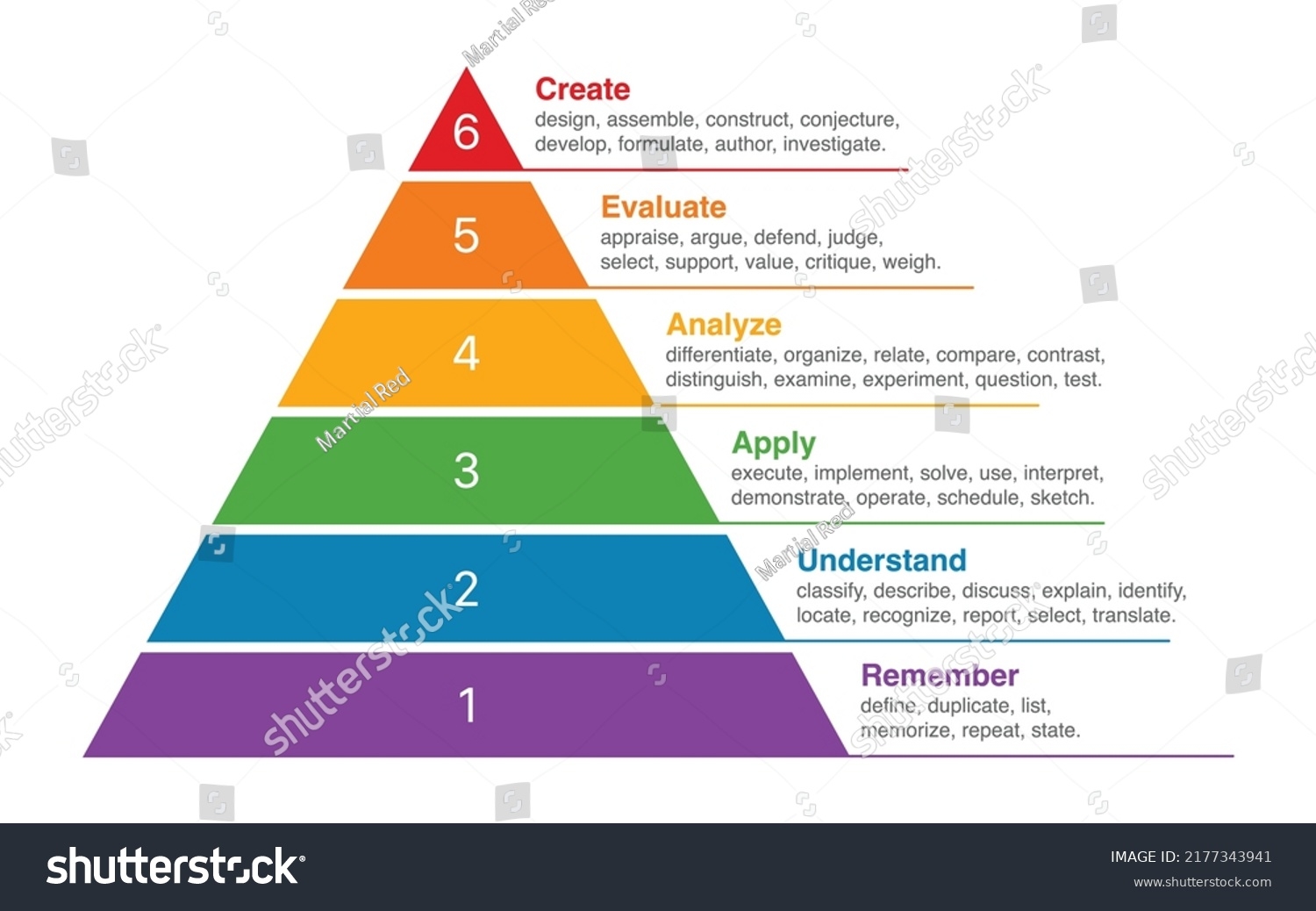
43 Blooms Taxonomy Model Royalty Free Images Stock Photos Pictures Shutterstock
To get the most out of a Bloom’s Taxonomy chart printable, educators should consider how to integrate it into their existing teaching practices. This might involve using the chart to inform lesson planning, or to develop assessments that cater to different levels of learning. Additionally, teachers can use the chart to provide feedback to students and to help them set goals for their learning. By using the chart in a flexible and creative way, educators can unlock the full potential of Bloom’s Taxonomy and create a more engaging and effective learning experience for their students.
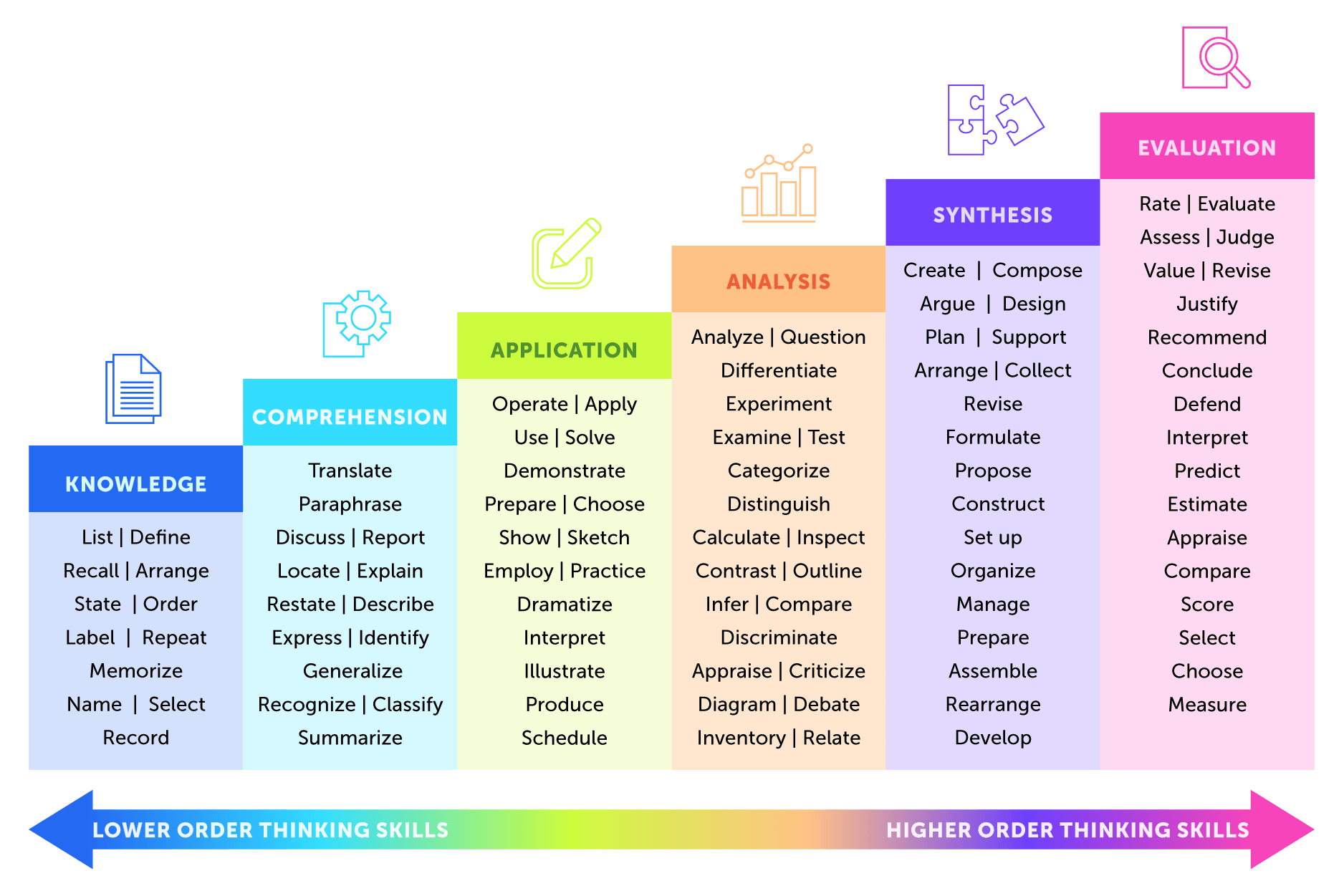
Bloom S Taxonomy For Effective Learning Verbs For Objectives
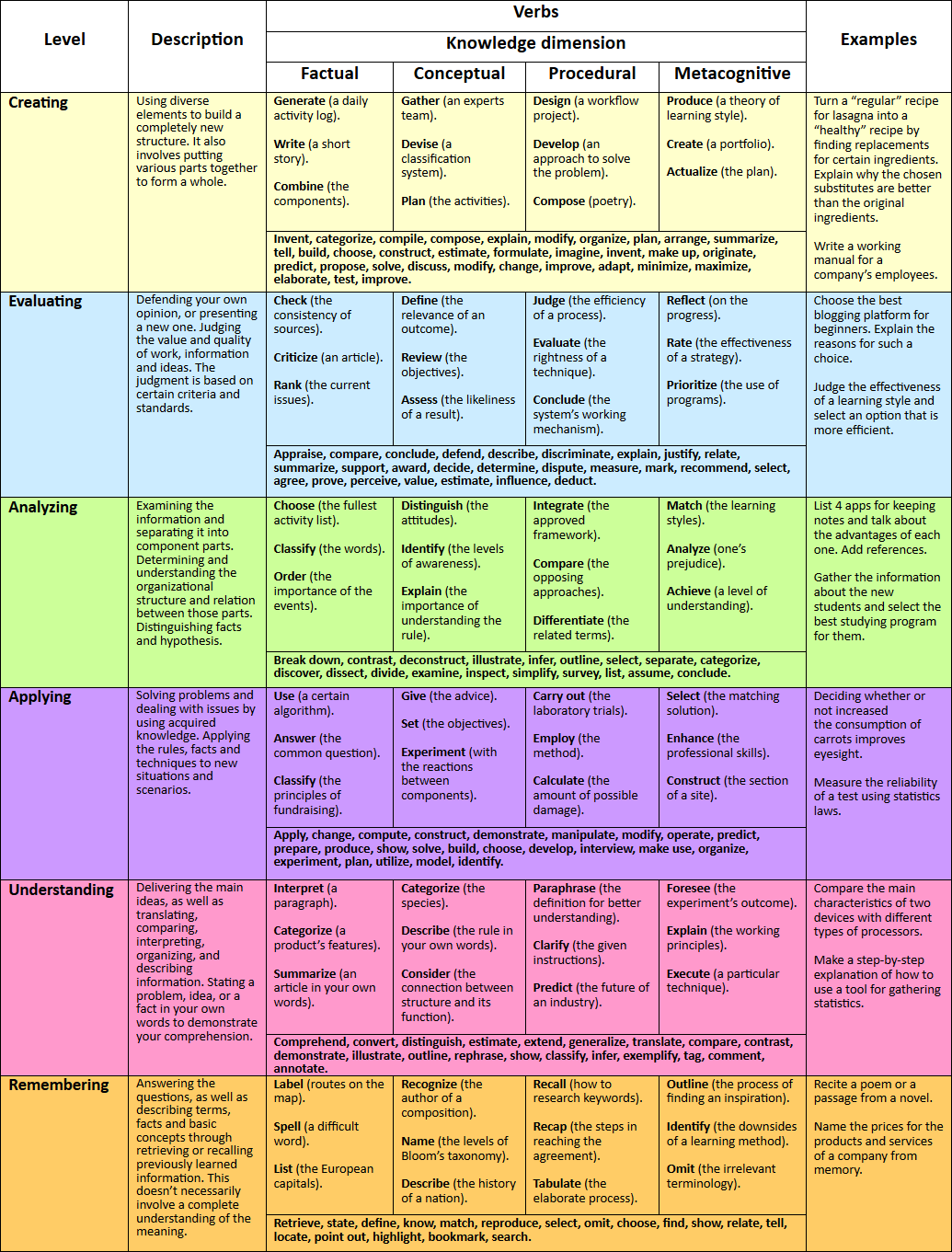
Bloom S Taxonomy 2026 Verbs Chart How To Use This All