Radio frequency (RF) design is a complex and nuanced field that requires careful consideration of various factors, including impedance matching, filter design, and signal transmission. One essential tool in RF design is the Smith chart, a graphical representation of impedance and admittance that helps engineers optimize their designs. A printable Smith chart can be a valuable resource for RF designers, providing a quick and easy way to visualize and analyze complex impedance relationships.
The Smith chart was first introduced by Phillip Smith in 1939 and has since become a staple of RF design. It is a polar plot of impedance and admittance, with the real axis representing resistance and the imaginary axis representing reactance. By using a printable Smith chart, designers can easily identify the impedance of a circuit or component and make adjustments as needed to achieve optimal performance. Whether you’re working on a simple filter design or a complex antenna system, a printable Smith chart can be an invaluable aid.
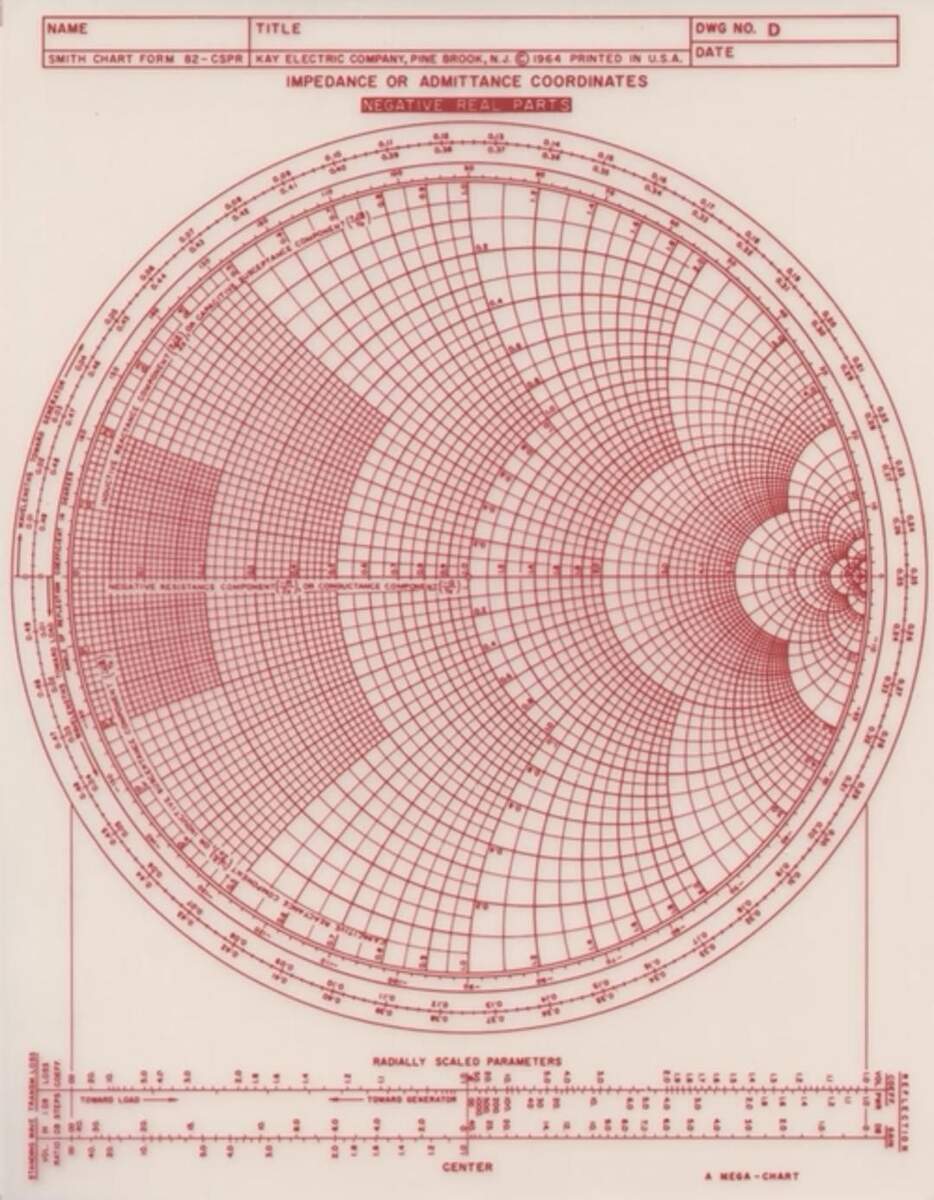
Red And White Smith Chart Diagram
What is a Smith Chart?
A Smith chart is a graphical representation of the impedance and admittance of a circuit or component. It is a polar plot with the real axis representing resistance and the imaginary axis representing reactance. The chart is divided into a series of concentric circles, each representing a different value of impedance or admittance. By plotting the impedance of a circuit or component on the Smith chart, designers can quickly and easily identify the impedance and make adjustments as needed to achieve optimal performance.
Download HD Smith Chart Gen Smith Chart Png Transparent PNG Image NicePNG
How to Use a Printable Smith Chart
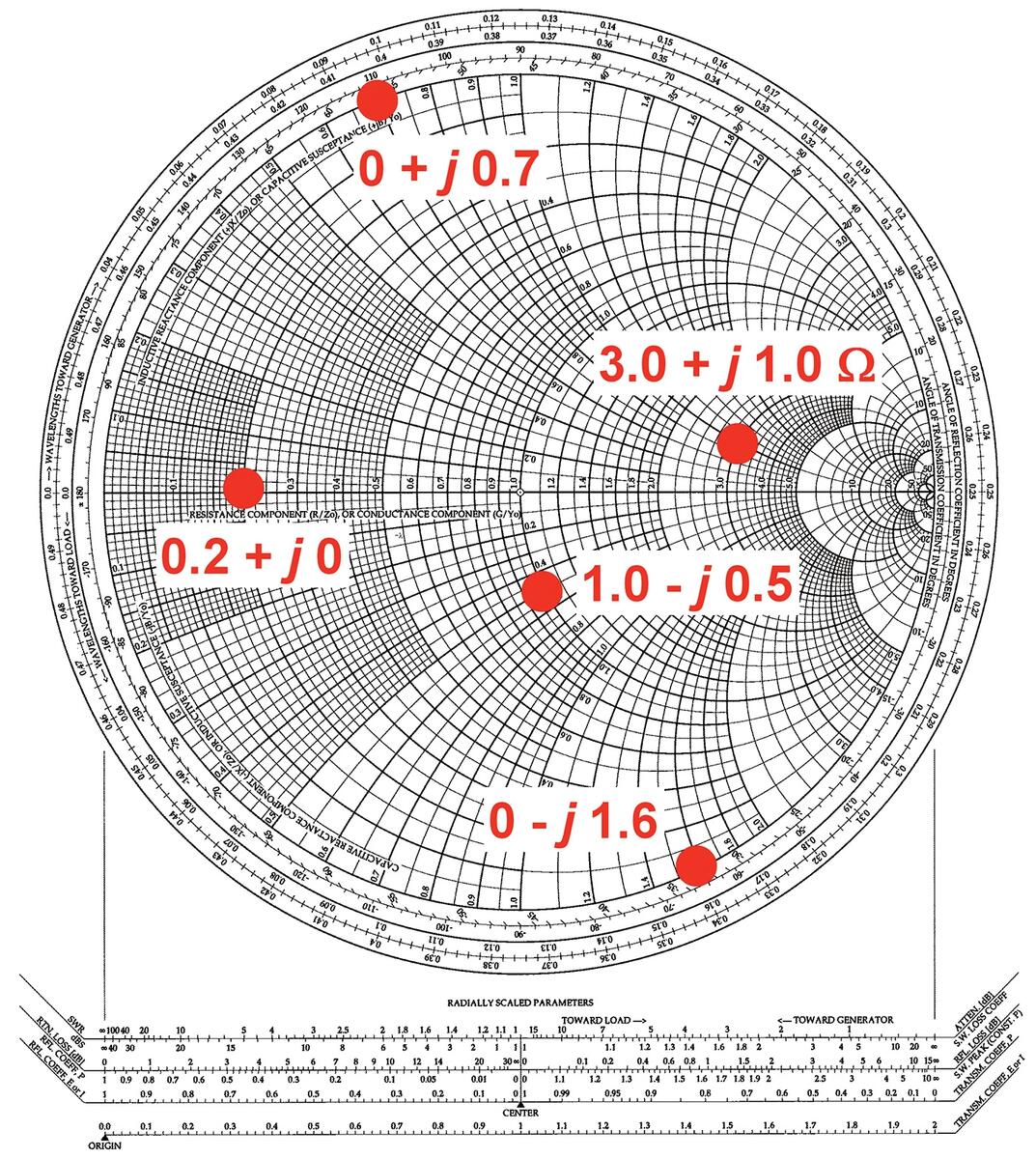
Using a printable Smith chart is relatively straightforward. First, designers need to determine the impedance of the circuit or component they are working with. This can be done using a variety of methods, including measurement with an impedance analyzer or calculation using circuit analysis software. Once the impedance is known, designers can plot it on the Smith chart and use the chart to identify the optimal impedance matching network or filter design. The chart can also be used to analyze the signal transmission and reflection characteristics of a circuit or component.
Applications of Printable Smith Charts in RF Design
Printable Smith charts have a wide range of applications in RF design, from impedance matching and filter design to antenna design and signal transmission analysis. They are particularly useful for designing and optimizing RF circuits and components, such as amplifiers, filters, and antennas. By using a printable Smith chart, designers can quickly and easily identify the impedance of a circuit or component and make adjustments as needed to achieve optimal performance. Whether you’re working on a simple RF circuit or a complex communication system, a printable Smith chart can be an invaluable aid.
The Smith Chart Nuts Volts Magazine
In addition to their use in RF design, printable Smith charts can also be used in a variety of educational settings. They can be used to teach students about impedance and admittance, and to help them understand the principles of RF design. The charts can also be used to illustrate complex concepts, such as impedance matching and filter design, in a clear and concise manner. By providing a visual representation of complex impedance relationships, printable Smith charts can help students and designers alike to better understand and work with RF circuits and components.
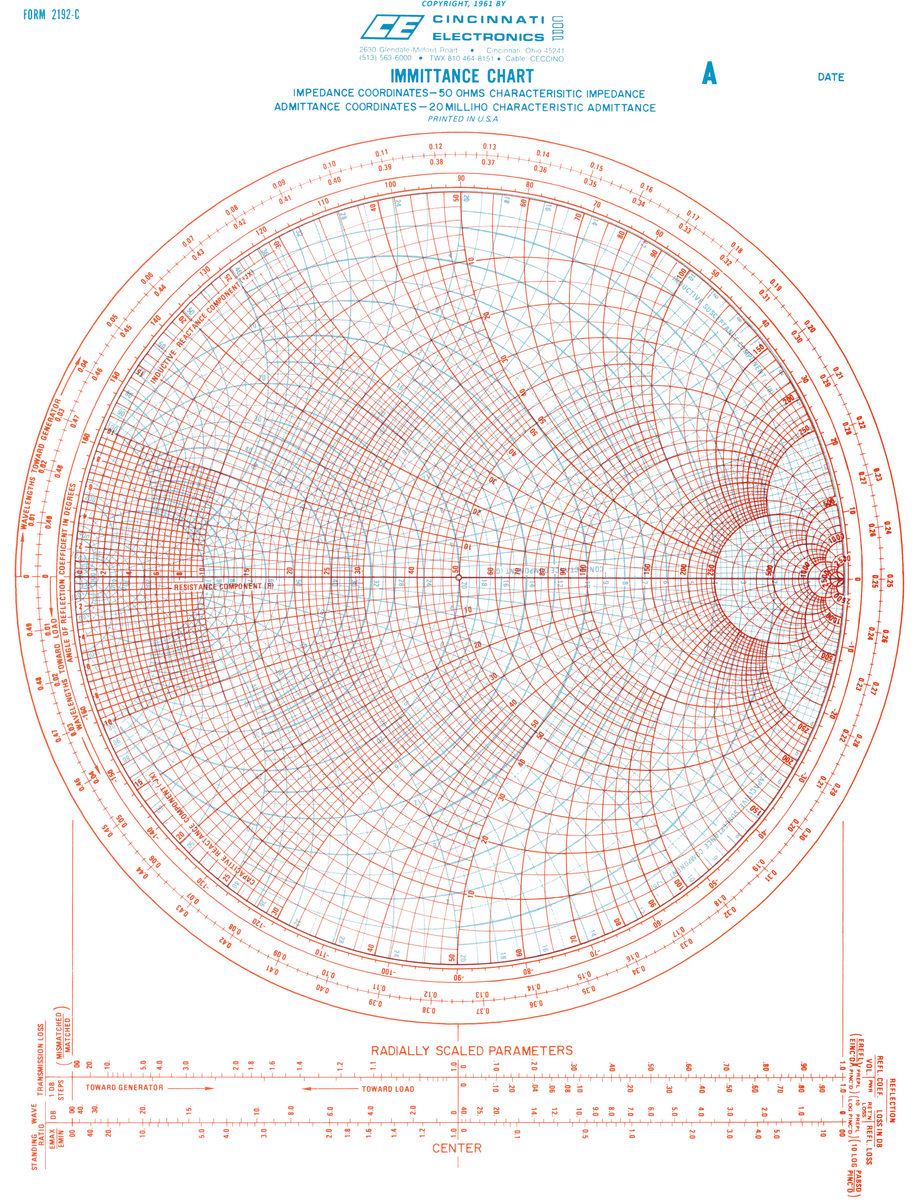
Found An Old Notepad Of Smith Immitance Charts Here S A High Res Scan R Rfelectronics
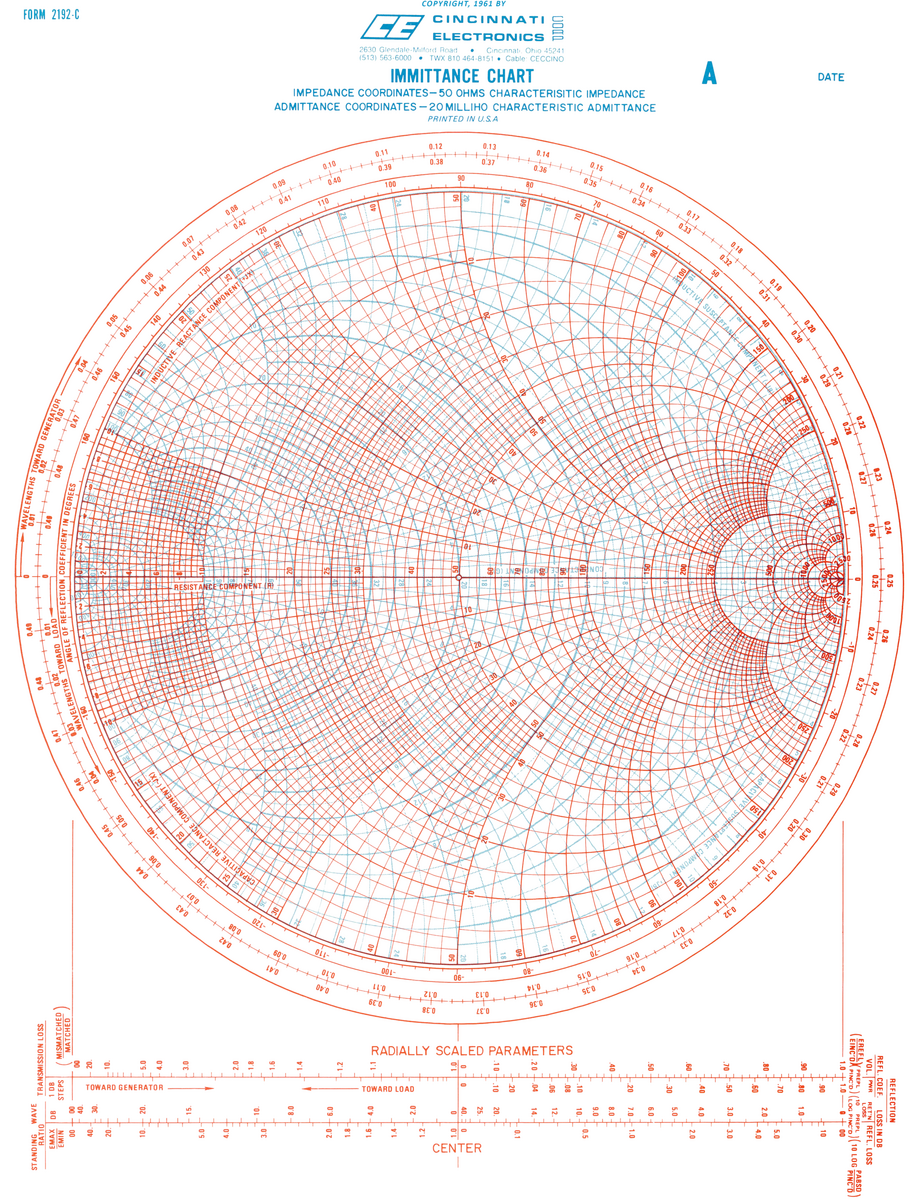
Found An Old Notepad Of Smith Immitance Charts Here S A High Res Scan R Rfelectronics